
Pathology
Overview
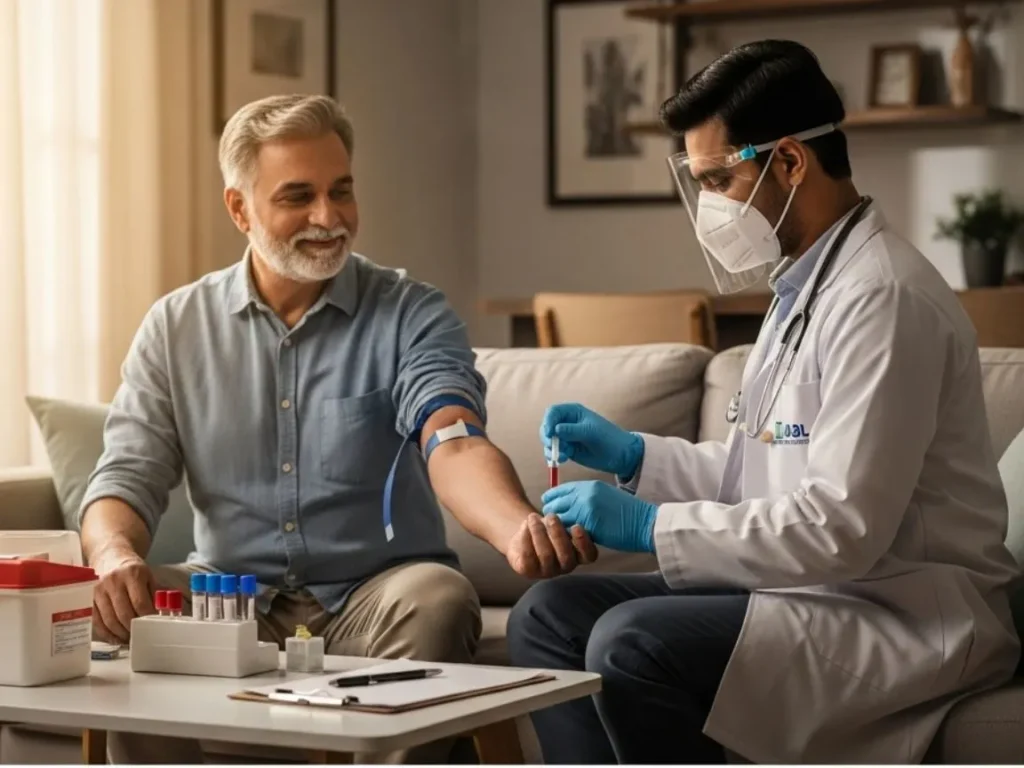
Pathology focuses on the scientific analysis of blood, body fluids, tissues, and other biological samples to diagnose, monitor, and prevent disease. It plays a foundational role in modern healthcare by supporting accurate medical decision-making through reliable laboratory investigations.
Our department provides comprehensive diagnostic services that help detect infections, metabolic disorders, organ dysfunction, hormonal imbalances, and a wide range of acute or chronic health conditions. From routine health screenings to specialized diagnostic testing, pathology serves as a critical support system for timely and effective treatment.
With a strong emphasis on precision, quality control, and timely reporting, our approach ensures dependable diagnostic outcomes. By combining advanced laboratory technology with expert evaluation, we help clinicians and patients make informed healthcare decisions with confidence.
Our Specialties
Our Pathology department offers specialized diagnostic services across a wide range of laboratory disciplines.
Clinical Biochemistry
Analysis of blood sugar, kidney function, liver function, lipid profile, electrolytes, and other biochemical markers for diagnosing and monitoring medical conditions.
Hematology
Comprehensive evaluation of blood disorders including anemia, infections, clotting disorders, and blood cell abnormalities through advanced blood analysis.
Microbiology & Infectious Disease Testing
Detection and identification of bacterial, viral, fungal, and parasitic infections using culture methods and laboratory diagnostics.
Histopathology
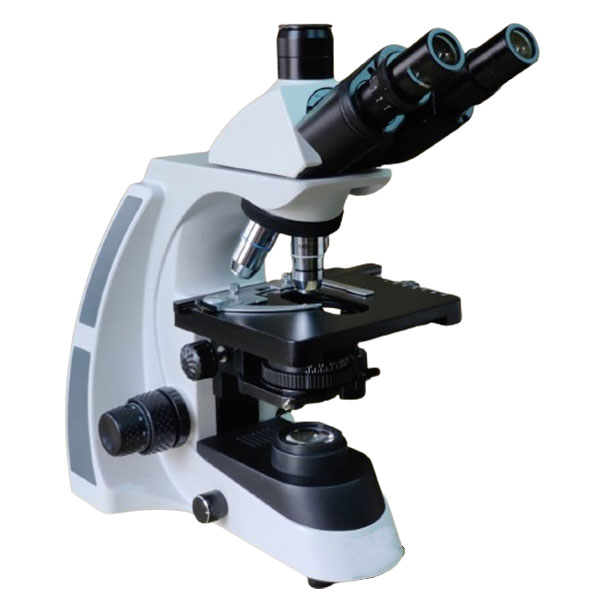
Microscopic examination of tissues and biopsy samples for the diagnosis of tumors, inflammatory diseases, and structural abnormalities.
Cytology
Cell-based diagnostic testing such as Pap smears and fine-needle aspiration studies for early detection of abnormal or cancerous changes.
Immunology & Serology
Testing for immune system disorders, autoimmune diseases, allergies, and infectious disease markers through antibody and antigen analysis.
Hormone & Endocrine Testing
Evaluation of thyroid, reproductive, and metabolic hormones to diagnose endocrine and hormonal disorders.
Molecular & Specialized Diagnostics
Advanced diagnostic support for complex diseases through specialized laboratory investigations and targeted analysis.
Cancer Screening & Tumor Markers
Laboratory support for early cancer detection, screening, and treatment monitoring through biomarker testing.
Preventive Health Check Profiles
Routine and comprehensive screening packages for early disease detection and long-term health monitoring.
Pre-Operative & Fitness Testing
Diagnostic evaluation before surgery or procedures to assess patient readiness and reduce medical risks.
Quality-Controlled Diagnostic Reporting
Accurate, timely, and standardized laboratory reporting to support clinical diagnosis and treatment planning.
Technologies & Infrastructure
Advanced Automated Analyzers
High-precision laboratory systems for fast and accurate sample processing.
Histopathology & Cytology Labs
Microscopic and tissue analysis facilities for detailed pathological examination.
Biochemistry & Hematology Systems
Dedicated equipment for detailed blood, biochemical, and metabolic testing.
Quality Assurance & Standardization Protocols
Quality Assurance & Standardization Protocols Strict internal controls to ensure reliable and accurate reporting.
Microbiology & Culture Facilities
Specialized laboratory setups for infection detection and organism identification.
Integrated Diagnostic Support
Coordination with multiple specialties for seamless clinical decision-making.
Our Experts

Dr. J. Das
Psychiatry

Dr. Ankita
Obst. & Gynae

Dr. Rahul Arya
Gastroenterologist

Dr. Ashish
General Surgery
Request a Callback
Frequently Asked Questions
Pathology is a medical specialty that diagnoses diseases through laboratory testing of blood, tissues, and body fluids.
They help detect diseases early, confirm diagnoses, monitor treatment progress, and support preventive healthcare.
Not all tests require fasting. Specific instructions depend on the type of test prescribed.
Routine reports may be available quickly, while specialized tests can take longer depending on complexity.
No, pathology is also essential for preventive health check-ups and routine monitoring.
Yes, many infections, chronic diseases, and cancers can be detected early through timely testing.
Yes, when performed in a quality-controlled laboratory using proper protocols, pathology testing is highly reliable.